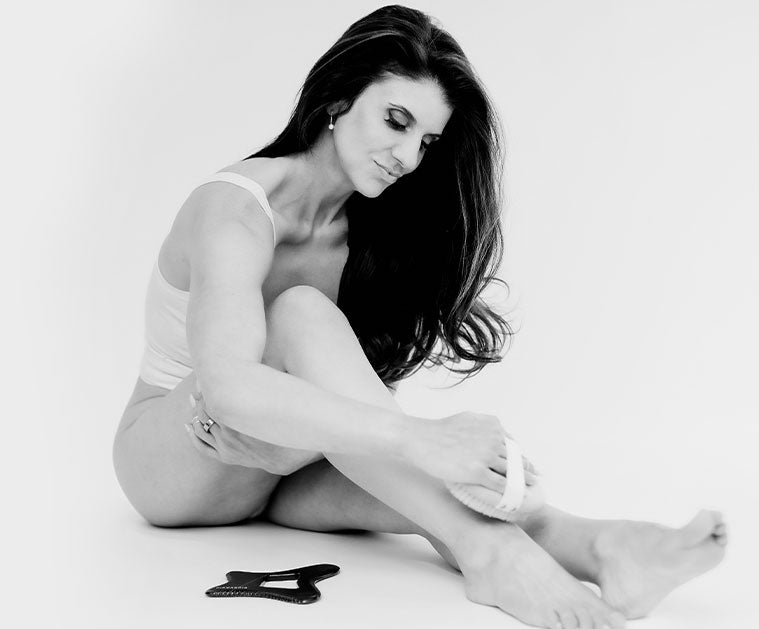
Gua Sha Lymphatic Drainage: How It Supports Inflammation and Fluid Movement

How Does Gua Sha Help Lymphatic Drainage?
Gua sha supports lymphatic drainage through mechanical stimulation—gentle, directional strokes that encourage fluid to move along the body’s lymphatic pathways.
The lymphatic system has no internal pump; it relies on muscle contraction and movement to function. When we’re inactive or stressed, fluid can stagnate, leading to swelling, tightness, or visible puffiness.
Using a gua sha tool reintroduces motion to that system. By gliding the tool toward major lymph nodes (such as those near the collarbone, underarms, and behind the knees), it helps guide excess fluid out of tissues naturally.
Does Gua Sha Actually Reduce Inflammation or Puffiness?
Yes, in a supportive, physical way.
While the technique is not a medical treatment for clinical inflammation, it is highly effective at reducing visible swelling and discomfort. This is primarily achieved by improving localized circulation and encouraging the drainage of excess fluid (lymphatic drainage) that causes puffiness.
Gua sha is a simple yet powerful method that aids your body in achieving better equilibrium and flow. When integrated into a regular routine, it can contribute to a feeling of being lighter and more mobile, offering significant relief, especially for individuals who spend long hours sitting, traveling, or working at a screen.
What’s the Correct Direction for Lymphatic Drainage with Gua Sha?
Direction matters. Follow the body’s natural lymphatic pathways:
- Neck and jaw: Glide down toward the collarbone.
- Arms: Sweep upward toward the underarm.
- Legs: Move strokes upward toward the inner thigh or behind the knee.
- Abdomen: Use gentle circular motions clockwise to support digestive flow.
Always use light to moderate pressure—enough to feel the tool, not enough to bruise. A slow, steady rhythm works better than force.
How Often Should You Do Gua Sha for Lymphatic Drainage?
For lasting results, consistency beats intensity.
Most people find that 3–5 short sessions per week are ideal. Each session can last 4 minutes or less, focusing on one or two areas at a time.
You can use it daily if pressure is light. The technique should feel calming and rhythmic, never aggressive. Overuse doesn’t enhance results—it can actually irritate the skin.
Can Gua Sha Be Used on Sensitive or Inflamed Skin?
Yes—with care. For reactive or sensitive skin, always use ample oil and maintain a low-pressure angle (about 15°).
Avoid areas with open irritation or active breakouts.
The Bian Stone tool’s smooth surface and temperature retention make it especially good for calming reactive skin when used properly.
If redness appears, it should fade within minutes. This is a normal sign of circulation—not irritation.
4-Minute Lymphatic Drainage Routine
-
Apply body oil to clean, slightly damp skin.
-
Start at the legs, gliding the tool upward 5–7 times per section.
-
Move to arms, sweeping strokes toward the underarm. Up the abdomen to the armpits.
-
Finish at the neck, stroking gently toward the collarbone.
-
Repeat breathing slowly to reinforce relaxation and lymph movement.
This short, structured process helps maintain circulation even on sedentary days.
Why It Works
Gua sha acts as an external assist to your body’s internal systems.
By introducing consistent, directional pressure, it encourages lymph movement, supports microcirculation, and helps minimize visible inflammation from fluid retention or inactivity.
It’s science-backed body care: no magic—just anatomy and consistency.
Final Thought
Gua sha lymphatic drainage turns simple movement into tangible results.
A few minutes with the right tool can help your body feel restored, especially when paired with hydration and balanced rest.
It’s not a ritual—it’s recovery you can repeat.